
How does the Toyota C-HR+ differ from the regular C-HR?
The Toyota C-HR has become a mainstay of this brand’s range over the years. It’s a popular option here at UK Carline, too, and has always offered a great blend of efficiency and practicality, with a dash of futuristic looks put in for good measure.
The C-HR+, however, brings something quite different. While it may seem relatively similar in name, that ‘+’ really changes things – but how? In this article, we’re going to check out everything that differs between the + and the standard C-HR.
Design
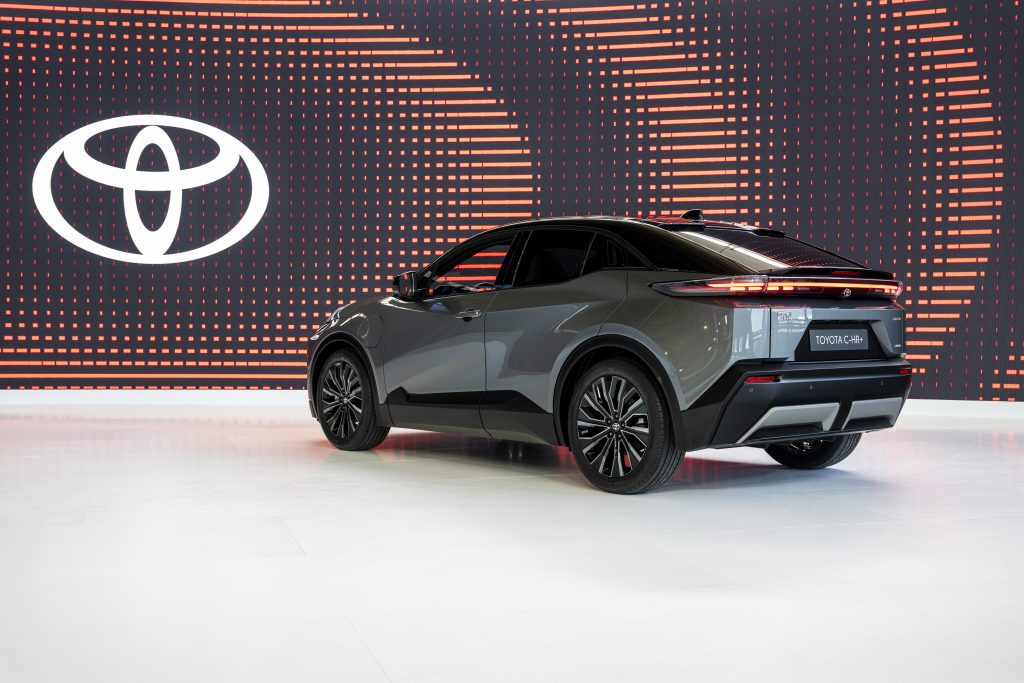
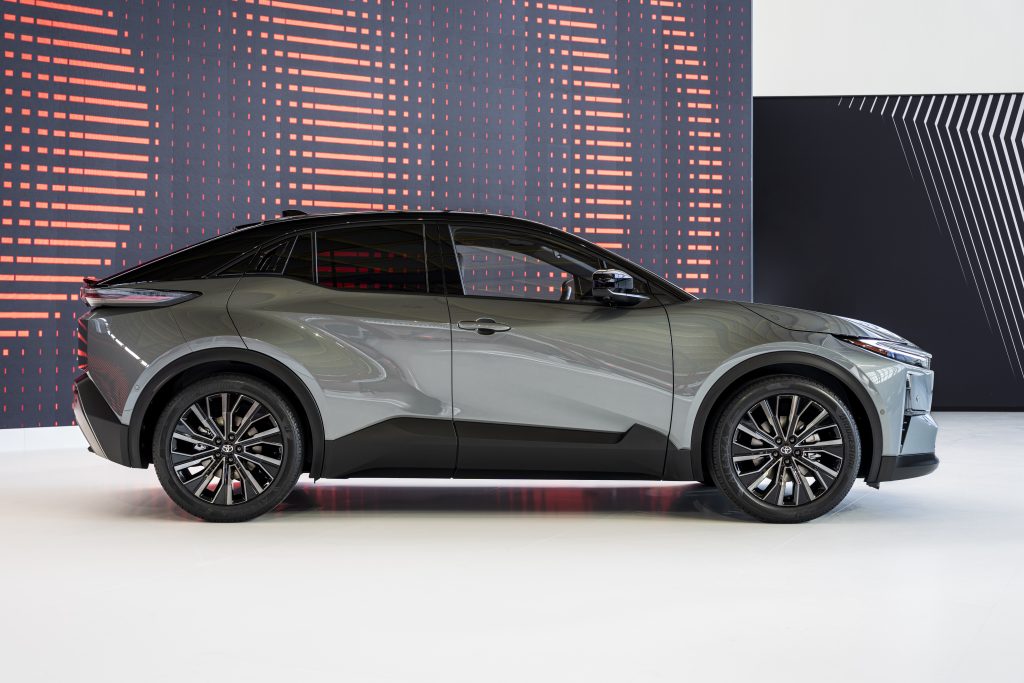
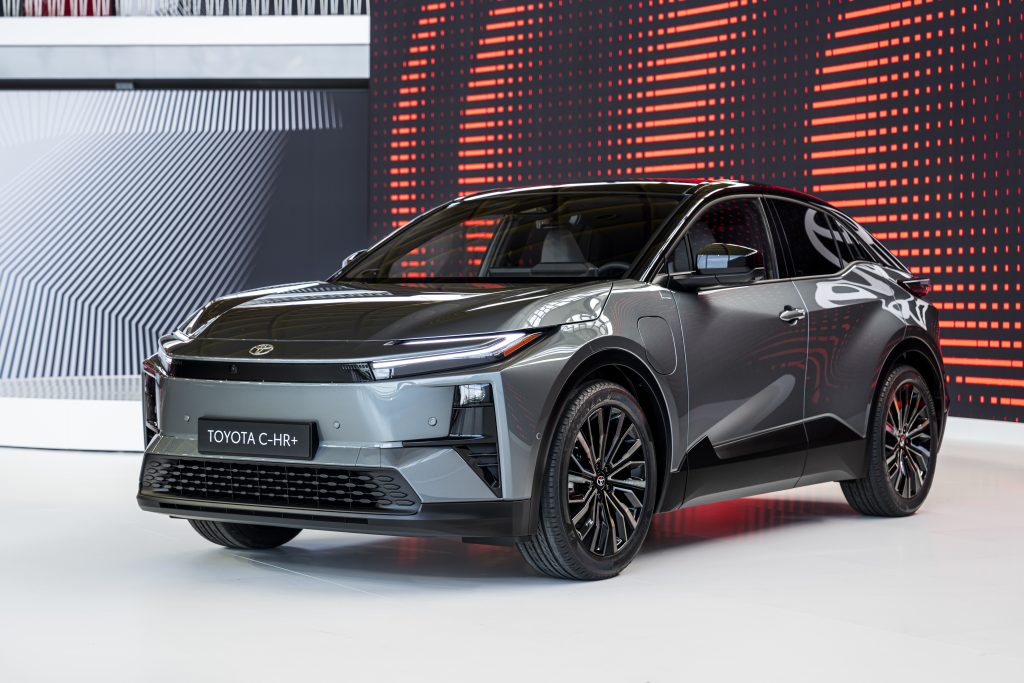
The C-HR+ enters the compact SUV segment, challenging the likes of the Kia EV3 and Skoda Elroq. It’s actually quite different to the standard CH-R in terms of design, too, with the + getting a more upright look overall alongside a higher boot line, which helps to add a bit of edge.
For comparison, the C-HR+ measures in at 4,520mm long and 1,870mm wide, whereas the standard CH-R comes in at 4,362 and 1,823mm, respectively. It goes to show how much larger the + model actually is compared with the ‘regular’ car.
Engine
Here’s where the two differ in quite a big way. The standard C-HR is available with either hybrid or plug-in hybrid setups. The plug-in hybrid, in particular, can manage up to 41 miles of electric-only range on a single charge, while the safety net of a petrol engine means that for many people it’ll offer a good blend of electric efficiency with petrol-powered range.
The C-HR+, meanwhile, is a fully electric model. It’s available with two battery options, too, with a 57.7kWh model bringing up to 284 miles of range, and a 77kWh version upping that to 376 miles. With a maximum charge speed of 150kW, you can take the C-HR+ from 10 to 80 per cent in around 28 minutes, too.
Interior
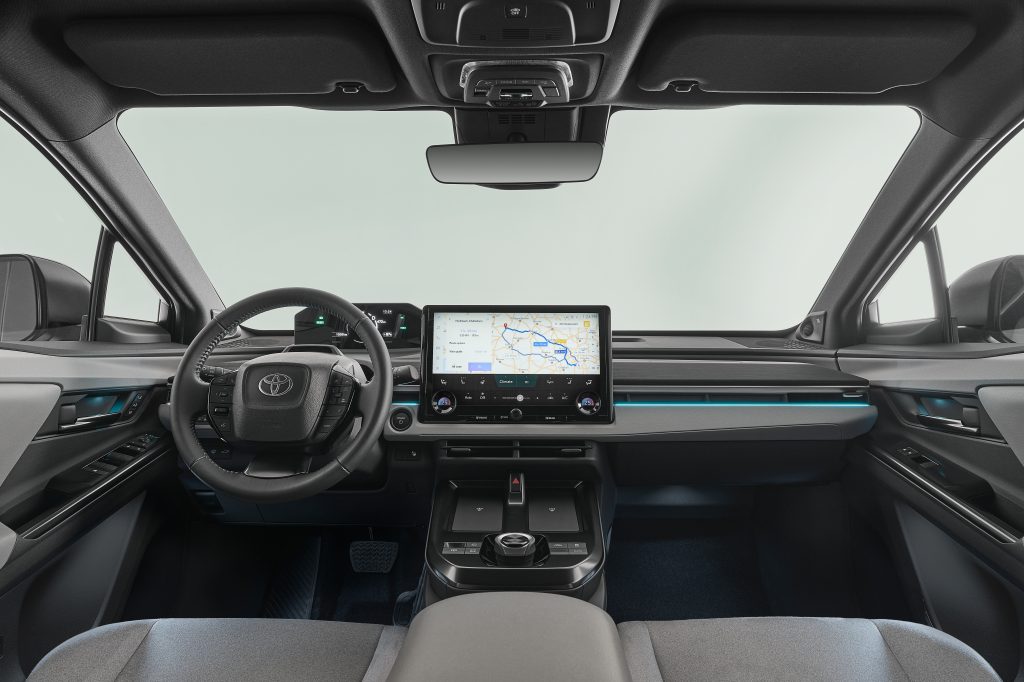
Inside, both cars get lots of standard equipment. The CH-R+ uses a combination of a 14-inch infotainment display with an eight-inch driver’s display, giving a huge amount of screen space. Standard features include a heated steering wheel and twin wireless smartphone charging pads, too, so you can keep your devices topped up when you’re on the move.
In the C-HR, you’ll find loads of standard features too. Entry-level cars get an eight-inch infotainment display, but all other models benefit from a 12.3-inch setup instead. You get smartphone mirroring services to help view those must-have apps such as Google Maps and Spotify, on the car’s display, too.
Boot space
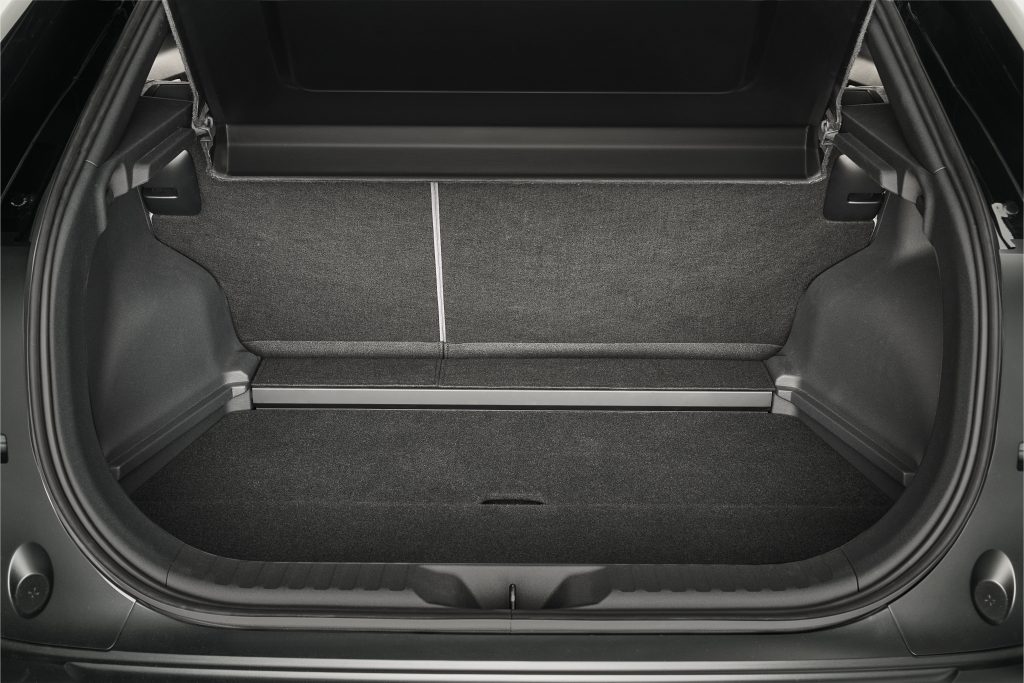
Boot space is crucial in this area of the market, so what does the C-HR+ bring to the table? Well, with 416 litres it’s a very usable load area and it’s square and easy to access, too. That said, it does fall shy for the 470 litres that you get from the Skoda Elroq, so if boot space is a priority, then it might be worth checking that model out.
What about the regular C-HR, though? Well, it brings up to 388 litres, which still falls shy of the load capacity offered by the C-HR+. That said, the standard C-HR is pitched as more of a town or city car, and, in this instance, this boot space is perfectly acceptable.
Standard equipment
Toyota is well-known for the value it offers in terms of standard equipment, so what does the C-HR+ have to offer? Well, alongside those large central screens, standard CH-R+ gain heated front seats, power-adjustable lumbar control for the driver’s seat and keyless entry. Upgrade to Design or Excel grades if you need more toys.
Given the price difference, you’d have to look at a mid-spec Design-grade C-HR to keep things fair. This gets 18-inch machined-face alloy wheels, a smartphone-based remote door lock system and electric heated wing mirrors, among other features.
Does it sound like the C-HR+ could be for you? As we’ve seen here, this sharp-looking EV has plenty to offer and it’s available right now on UK Carline. Check it out today.
« « Could Geely’s EX2 be a new low-price EV contender? | Here’s why you should be getting excited about the new CUPRA Raval » »