
Review: BYD Atto 2 DM-i
What is it?
Compact SUVs are dominating new car sales with their high driving positions and low running costs.
When it comes to the Chinese, they seem to know exactly what ticks all of the right boxes in this sector of the market. Take BYD, for example, it has just launched the Atto 2 B-segment electric SUV, which rivals the Ford Puma Gen-E and Renault 4.
Even so, one powertrain simply isn’t enough to entice a new type of customer to this rapidly growing brand, with BYD now introducing a more affordable plug-in hybrid example.
Meet the Atto 2 DM-i; combining a petrol engine with an electric motor and battery pack, which could be the ideal car for those wanting a small crossover who are not ready to commit to going fully-electric.
What’s new?
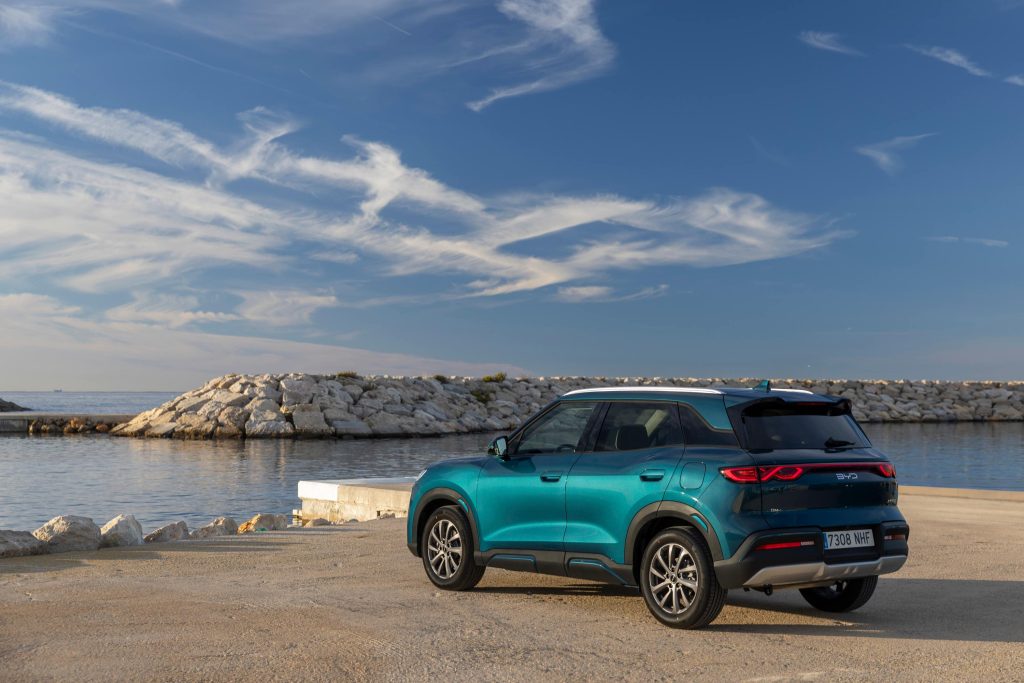
On the face of it, not a lot. It’s all to do with what sits underneath, as the Atto 2 DM-i has a completely different powertrain and uses what BYD calls its ‘Super Hybrid’ setup.
There are also some extremely subtle changes that have been made to the exterior of the car and there is an abundance of standard equipment – just like on the electric model.
BYD also claims that there have been tweaks made to this PHEV variant’s mechanicals and suspension to provide a better driving experience, while the car uses the firm’s ‘Blade Battery’ technology, which is more durable and doesn’t use any precious metals like cobalt and nickel in the manufacturing process.
What’s under the bonnet?
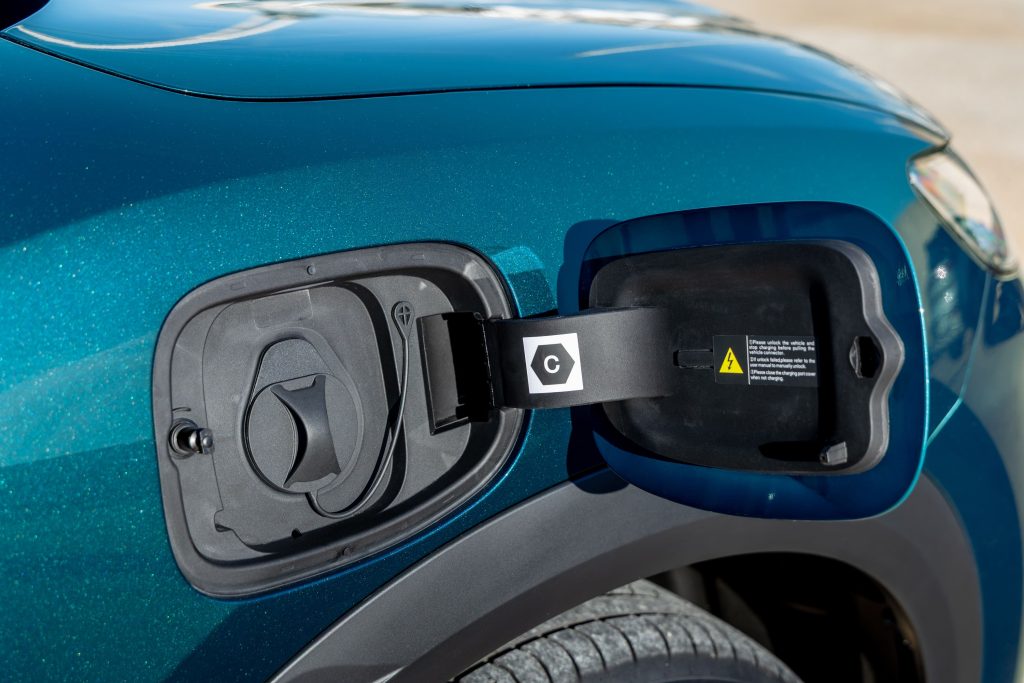
Powering the car is a 1.5-litre petrol engine that is mated to an electric motor and an 18kWh battery pack.
This new setup produces a total of 209bhp and 300Nm of torque, while the car will hit 60mph in 7.2 seconds and will top out at 112mph.
BYD claims that the car can run up to 56 miles on electric power and CO2 emissions are a very low 41g/km, which should benefit when it comes to running costs.
What’s it like to drive?
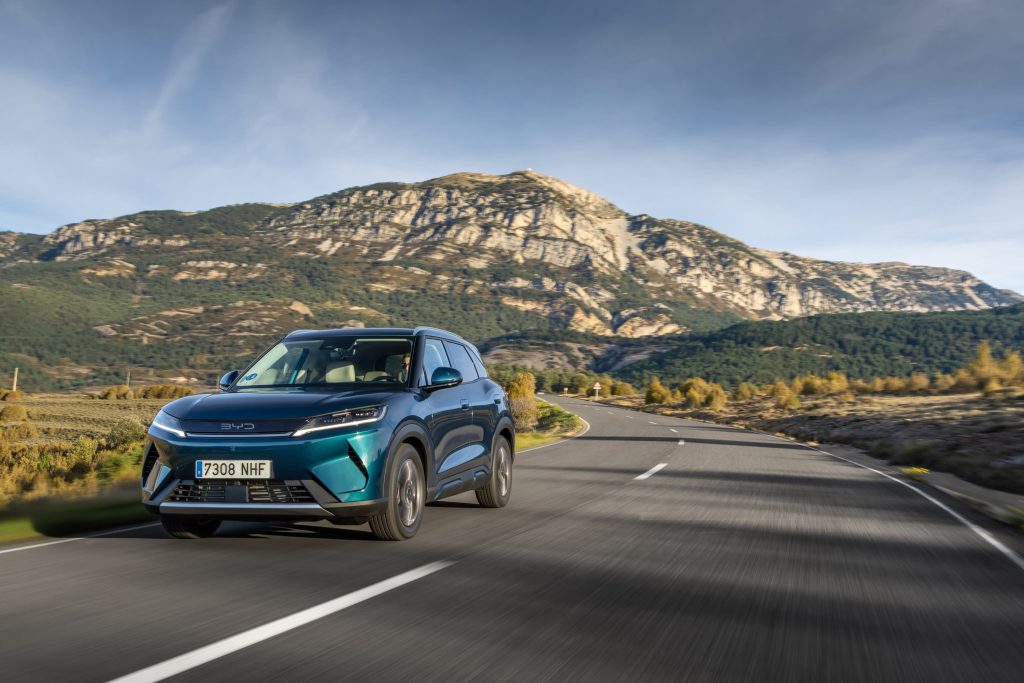
The driving experience in this DM-i model is impressive.
The steering is vague, but it feels better-weighted than in the electric model, while around town, the petrol engine is superbly quiet – making it feel like an EV.
The ride is also more composed over bumps, with less jolting and wallowing coming from the dampers.
How does it look?
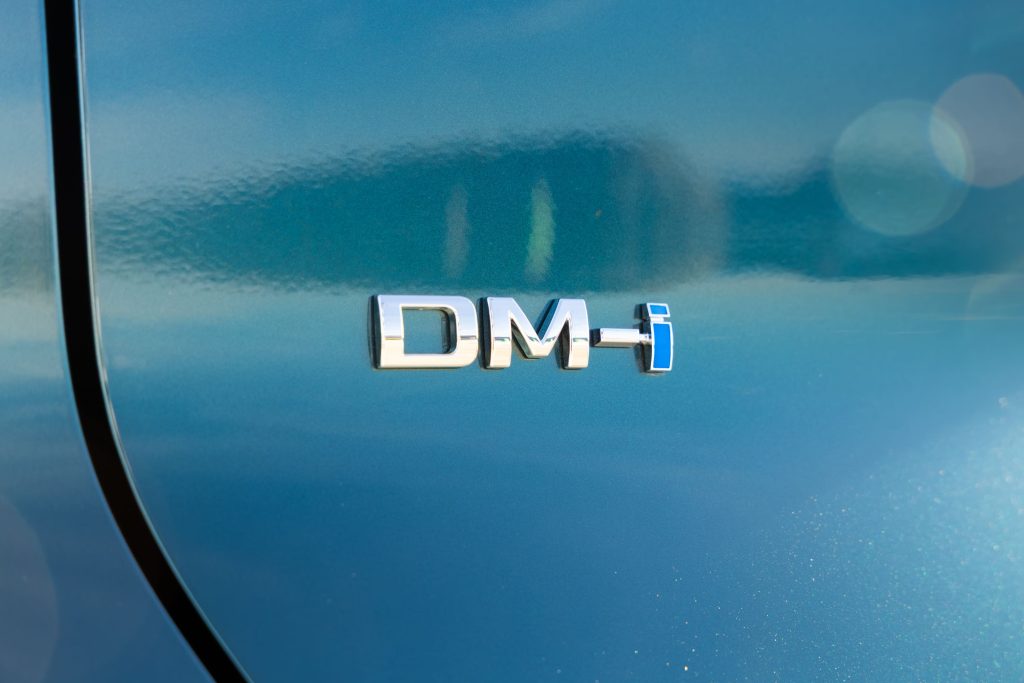
Nothing has really changed over the electric Atto 2, with some minor cosmetic changes to differentiate both models apart.
This DM-i has a slightly different lower front bumper, which is where the front radiator grille is located to help channel air into the engine, and there are some new alloy wheel designs.
Our test car also comes in a shade of Midnight Blue, which is an exclusive colour to the PHEV model, which pops in the sunlight.
The rest of the design is the same as before with a rounded front end, silver roof rails, a full-width rear lightbar and large wheel arch extensions.
What’s it like inside?
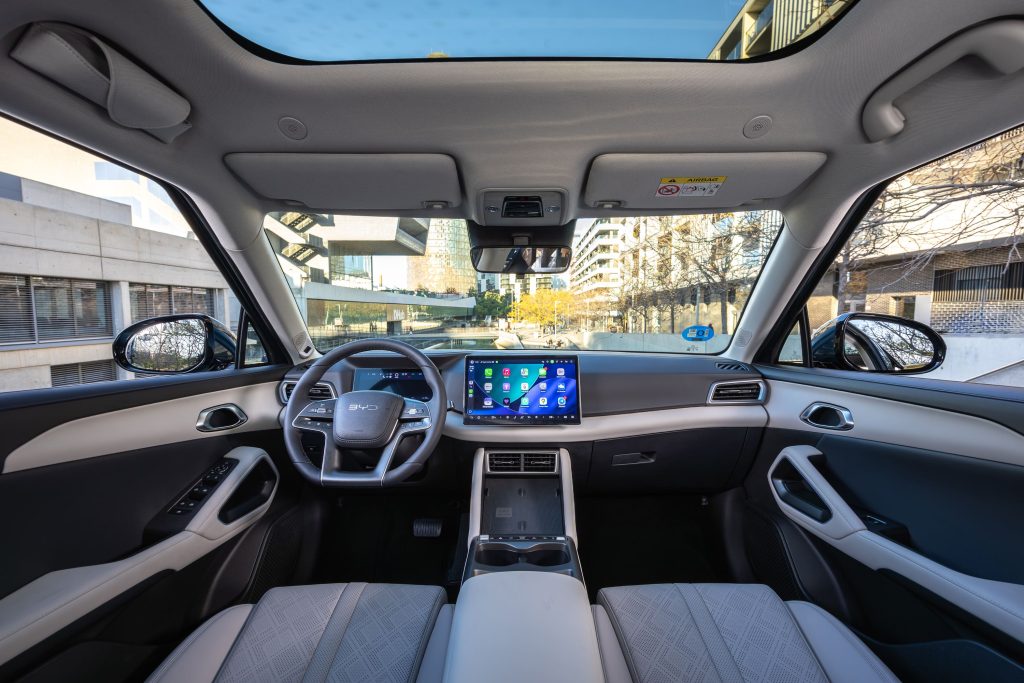
The Atto 2’s interior is a nice place to be, as everything you touch has a solid feel to it.
The soft-touch dashboard and tactile controls make the car feel more expensive than it really is. It would be nice to have more physical controls, of course, but at least the main screen is responsive.
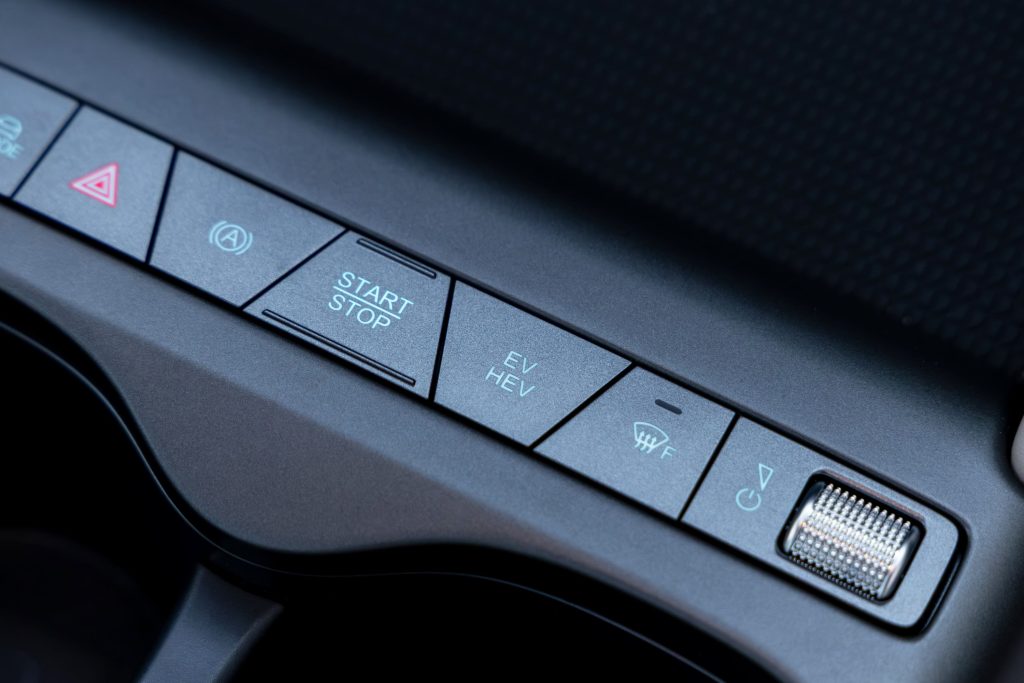
There are also changes over the electric model too, with this PHEV model featuring a steering wheel-mounted column shift gear selector, a sunglasses holder, new seat designs and a rear headrest for the middle-seat passenger.
Storage is good, with a large cut-out under the centre console, two cupholders, decent-sized door bins and further storage under the centre armrest.
In the back, there is a surprising amount of space with rear-seat passengers not struggling for headroom, despite our test car’s panoramic sunroof, and legroom shouldn’t be a problem either.
Open the boot, and there is a total of 425 litres of space and 1,335 litres with the rear bench folded forward. That makes the Atto 2 average in this sector as it’s smaller than a Ford Puma’s 426-litre capacity, though bigger than a Jeep Avenger e-Hybrid’s 321 litres.
What’s the spec like?
Prices have not been revealed for the UK market at this stage; however, it’s anticipated that the Atto 2 DM-i will start from around £25,000 and rise to £28,000 for the flagship model.
If those prices are correct, that will make this BYD the cheapest plug-in hybrid on sale, giving it a huge advantage over the competition.
In terms of equipment, there are only two flavours of trim with the entry-level Active coming with 16-inch alloy wheels, LED headlights and adaptive cruise control.
We’re driving the flagship Boost model which includes extras such as a vehicle-to-load (V2L) function, allowing for electrical appliances such as a hair dryer or microwave to be plugged in using the car’s battery, 17-inch alloy wheels, a panoramic sunroof and rear privacy glass.
Verdict
BYD has definitely added a new level of appeal to its Atto 2 with the introduction of a hybrid model.
If prices are accurate, then this will be an extremely competitive SUV, with bucket loads of standard equipment and an efficient powertrain.
It’s still not the most dynamic car to drive in its class, but still, it certainly is an improvement and because of that, the Atto 2 DM-i is a much more complete all-round package.
« « What is Chery? | Top five features on the Chery Tiggo 8 » »